Brave Rocker: The Fun Rough Brush for Creative Work
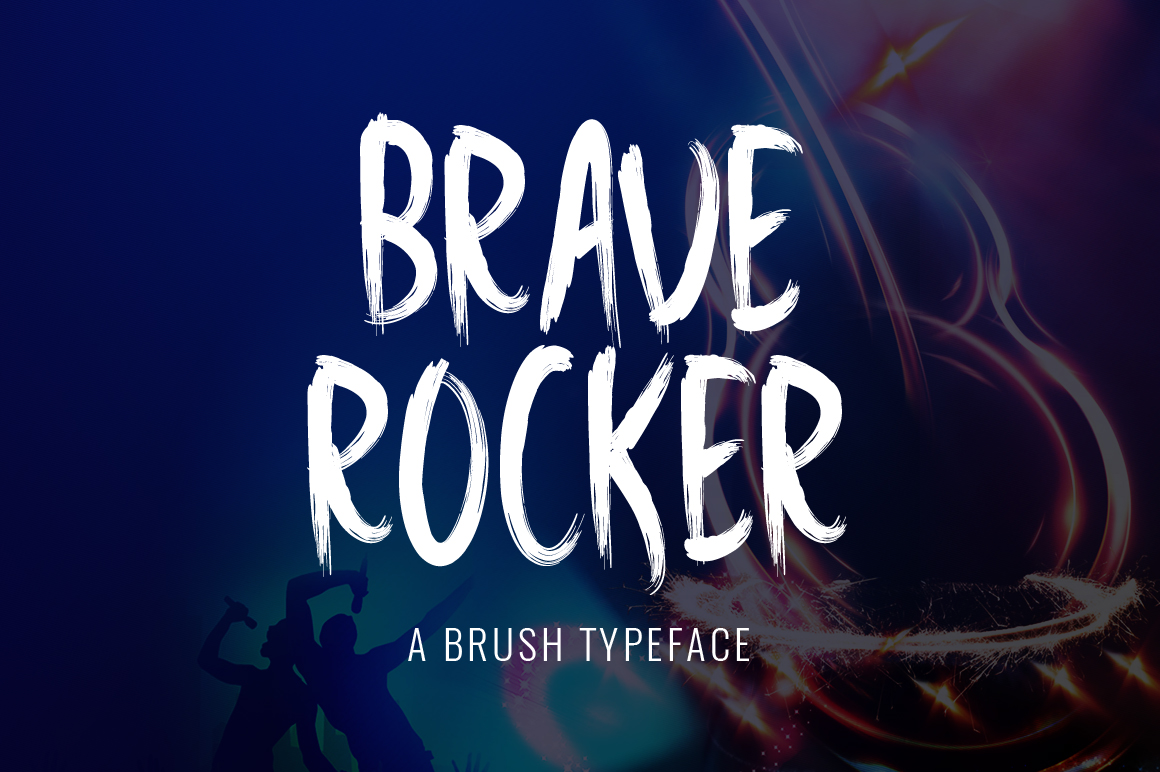
The tools we use shape the work we make. In digital art and design, where smooth vectors and polished renders dominate, a tool that deliberately introduces roughness, energy, and a sense of playful imperfection can be a powerful catalyst. Brave Rocker is precisely that: a fun rough brush. Its character isn't defined by meticulous control, but by a spirited, textured stroke that feels alive and immediate.
What makes Brave Rocker interesting isn't just its aesthetic output, but the creative posture it encourages. Using it is an act of embracing spontaneity. The brush’s inherent roughness means you cannot easily craft a perfectly sterile line. Instead, you create a mark with personality—a stroke that carries the vibration of your gesture. This moves the creative process away from painstaking perfection and towards expressive action. For creators who feel bogged down by overly technical tools or paralyzed by the pursuit of flawlessness, Brave Rocker offers a liberating shift.
The Creative Possibilities of a Rough Brush
The applications for Brave Rocker extend far beyond simply drawing a "rough" line. Its utility lies in how its textured output can be interpreted and integrated into various projects and styles.
Think of it as a tool for adding authenticity and handmade character. In digital illustrations, using Brave Rocker for initial sketches can lock in a dynamic energy that persists through later refinements. It's excellent for creating bold, expressive underpaintings or adding final details that break up overly smooth areas—like textured hair, gritty fabric, or organic foliage. The brush can define a style, becoming the core voice of a piece, or serve as a strategic accent within a more polished composition.
Project Ideas and Practical Applications
Consider these concrete ways to employ Brave Rocker in your work:
- Branding and Logo Elements: For businesses aiming for an artisan, rugged, or independent feel, Brave Rocker can craft logo outlines, custom lettering, or icon details that convey warmth and human touch.
- Marketing and Social Media Graphics: Use it to create eye-catching borders, highlight key text in posts, or design unique call-out graphics that stand out from generic smooth templates.
- Book Covers and Publication Design: Authors and publishers can utilize the brush for title text or illustrative elements on covers, especially for genres like adventure, history, or creative non-fiction that benefit from a tactile, grounded feel.
- Educational Materials and Worksheets: Educators and content creators can design more engaging handouts, diagrams, or posters. The rough lines feel inviting and less formal, which can reduce the intimidation factor for learners.
- Personal Projects and Artistic Exploration: Hobbyists and artists can use Brave Rocker for daily sketching challenges, journaling decorations, or creating textured patterns for print-on-demand products like stickers or apparel.
Adapting Brave Rocker for Different Audiences and Goals
The key to using Brave Rocker effectively is to align its character with your specific intent and audience. A rough stroke can mean different things in different contexts.
For a freelance designer working with a client in the outdoor adventure sector, Brave Rocker’s output directly communicates ruggedness and authenticity. It’s not just a style; it’s a functional brand attribute. Here, you might use the brush heavily, allowing it to dominate key visuals.
For a blogger or content marketer aiming to make complex topics feel accessible, Brave Rocker can be used sparingly. Perhaps to underline a key heading in an article graphic or to create friendly, imperfect icons for a step-by-step guide. The roughness here translates to approachability and clarity, breaking the coldness of perfect geometric shapes.
An entrepreneur building a small business might use Brave Rocker to create all their initial DIY marketing assets. The consistent use of the brush across social media images, newsletter headers, and even invoice decorations creates a cohesive, identifiable, and genuinely handmade brand identity from the start, even with limited resources.
Maintaining Clarity and Effectiveness
Working with a tool that introduces texture requires a mindful approach to ensure your final message remains clear. The roughness of Brave Rocker is a feature, not a bug, but it shouldn’t obscure your communication.
Balance is crucial. Pair Brave Rocker’s textured elements with clean, readable typography for any critical text. Use ample white space around rough-drawn elements to let them breathe and be appreciated without clutter. Establish a limited color palette; too many colors combined with a rough texture can create visual chaos.
Consistency turns experimentation into a style. Decide on a scale: will you use Brave Rocker for large, bold elements or small, precise details? Apply that decision across a project or brand suite. This organized repetition helps your audience recognize and understand your creative language.
From Inspiration to Finished Work
The journey from playing with Brave Rocker to completing a professional project involves a few grounded steps. Start by exploring the brush without a goal—make marks, combine strokes, and see its natural tendencies. This is your discovery phase.
Next, define a simple objective: "I will use Brave Rocker to create a banner for my weekend workshop announcement." Now, apply your discoveries with intention. Sketch the layout roughly with the brush, then refine. You might keep the rough banner outline but use a standard font for the event details inside it. This hybrid approach leverages the brush’s energy while ensuring practical information delivery.
Finally, evaluate the result from your audience’s perspective. Is the rough aesthetic enhancing the message or distracting from it? If it’s a poster for a community pottery class, the roughness likely adds appropriate charm. If it’s a technical safety diagram, you might need to scale back its use significantly. Always loop back to the user’s need for understanding.
Brave Rocker, as a fun rough brush, is more than a preset in a digital toolbox. It represents a mindset: that creativity often thrives with a bit of grit, a touch of unpredictability, and a focus on expressive movement over static perfection. By understanding its character and strategically applying it across different formats—from social media graphics to logo details, from educational sheets to personal art—you can produce work that feels genuinely engaging, human, and distinct. The tool invites you to be bold in your gesture and thoughtful in your application, a combination that leads to truly resonant creative output.