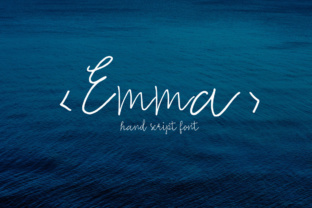
Emma: A Clean, Handwritten Script for Personal and Professional Designs
In a world where personalization and authenticity are highly valued, Emma stands out as a simple, clean, handwritten script that adds a unique touch to any design. Whether you're a professional designer, a small business owner, or an individual looking to add a personal flair to your projects, Emma offers a versatile and elegant solution.
The Relevance of Handwritten Scripts in Modern Design
Handwritten scripts like Emma have gained significant popularity in recent years, reflecting a broader trend towards more human and relatable design elements. In a digital age dominated by sleek, minimalist aesthetics, the warmth and character of a handwritten font can make a design feel more approachable and genuine.
Why Emma Stands Out
Emma's signature style is characterized by its clean lines and natural flow, making it an ideal choice for a wide range of applications. Its simplicity ensures that it doesn't overpower other design elements, while its distinctiveness adds a personal touch that can help your designs stand out.
Integrating Emma into Your Creative Workflow
For designers and creators, incorporating Emma into your projects can be a straightforward yet impactful way to enhance your work. Here are some practical ways to use Emma:
- Branding and Logos: Use Emma to create a memorable and personal brand identity. Its handwritten style can add a unique and authentic feel to logos and branding materials.
- Invitations and Greetings: Emma's elegant and friendly appearance makes it perfect for wedding invitations, greeting cards, and other celebratory designs.
- Website and Social Media Graphics: Add a personal touch to your online presence with Emma. It can be used for headings, quotes, and other text elements to make your content more engaging.
Evolving Trends in Typography and Design
The rise of handwritten scripts like Emma is part of a larger shift in design trends. As consumers increasingly seek authentic and relatable experiences, brands and creators are turning to more organic and human-centric design elements. This trend is not just about aesthetics; it's about building connections and trust through design.
Practical Implications for Businesses and Professionals
For businesses and professionals, using fonts like Emma can help to humanize their brand and create a more personal connection with their audience. This is particularly important in a digital landscape where personal interactions are often limited. By integrating Emma into your marketing materials, websites, and social media, you can create a more welcoming and engaging experience for your customers.
Realistic Examples and Observations
Consider a small boutique that uses Emma for its in-store signage and promotional materials. The handwritten style of Emma can make the store feel more inviting and personal, encouraging customers to explore and engage with the products. Similarly, a blogger who uses Emma for their blog headers and social media posts can create a more intimate and conversational tone, helping to build a loyal following.
Recommendations for Effective Use
To get the most out of Emma, here are some recommendations:
- Balance with Other Fonts: While Emma is beautiful, it's best used in moderation. Pair it with clean, sans-serif fonts for a balanced and professional look.
- Consider the Context: Use Emma for headings, titles, and short text blocks. It may not be as legible for long paragraphs or detailed information.
- Experiment with Colors and Textures: Try different color schemes and textures to see how they complement Emma. This can help you find the right combination for your specific project.
By thoughtfully integrating Emma into your designs, you can create a more personal and engaging experience for your audience. Whether you're a seasoned designer or a beginner, Emma offers a versatile and elegant option that can help you achieve your creative goals.