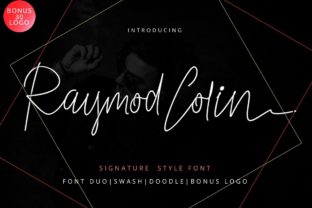
Raymond Colin: Authentic Design for Brand Storytelling
In the crowded digital landscape, where every brand shouts for attention, authenticity stands out as a quiet, powerful force.
Raymond Colin embodies this principle, offering a handcrafted design family with an authentic, natural flow that resonates deeply in modern visual communication. For graphic designers, marketers, and business owners seeking to forge genuine connections, this approach provides a toolkit not just of assets, but of cohesive character. It moves beyond sterile templates to create visual systems that feel organic, intentional, and human.
This is critical in today's branding and digital marketing, where audiences crave consistency and personality across every touchpoint.
The Visual Impact of an Authentic Design System
A design family like Raymond Colin functions as the foundational DNA for a brand's visual identity. It ensures that every piece of communication, from a social media graphic to a product packaging, tells the same story in a slightly different, yet harmonious, voice. This consistency builds recognition and trust.
Its natural flow speaks to a considered design workflow, where elements complement each other rather than clash. This is essential for establishing a strong visual hierarchy in web design or editorial layouts, guiding the user's eye intuitively and improving overall user experience.
Practical Applications in Creative Projects
The versatility of a coherent design family is its greatest strength. It can be applied across virtually any medium to elevate professional presentation.
- Brand Identity & Logo Design: It provides the extended palette of shapes, patterns, and supporting typography that turn a logo into a living brand system.
- Digital & Social Media Graphics: It creates instantly recognizable content that strengthens brand presence across feeds and ads.
- Website & UI Design: The natural flow ensures interface elements feel integrated, enhancing usability and modern aesthetics.
- Print & Packaging Design: From business cards to boxes, it brings a tactile, premium quality to physical items.
- Marketing Materials & Presentations: Campaigns and pitches gain credibility and impact through unified visual language.
Selecting and Implementing Design Elements Effectively
Integrating a design system like Raymond Colin into your projects requires a strategic approach. It's not about using every element at once, but about selecting the right components to serve your specific design goals.
Consider readability, scalability, and audience expectations. A color palette should evoke the desired emotion and work across digital and print. Typography choices must ensure clarity while contributing to the brand's personality. Composition and imagery should align with the overall tone, whether minimalist or richly detailed.
Think of these creative assets as parts of a symphony. Their compatibility with each other and with your existing brand message is what creates the final, polished result. For instance, in editorial design, the natural flow of the system can help balance text and visuals without overwhelming the reader.
A Foundation for Modern Design Work
Ultimately, the value lies in how such a system streamlines the creative process while amplifying output quality. It provides a reservoir of design inspiration that is already coherent, saving time and ensuring a high standard across projects from different team members or over extended timelines.
It empowers designers to focus on innovative application rather than reinventing basic visuals for each new task. For business owners, it offers a clear path to a sophisticated brand identity without the constant need for reinvention.
In the pursuit of visual impact, the choice of foundational creative assets is perhaps the most consequential. Opting for a handcrafted family with authentic character, like Raymond Colin, isn't merely a stylistic preference; it's an investment in clearer communication, deeper engagement, and a brand narrative that feels both deliberate and genuinely alive. The right design choices always serve the story, making it not only seen, but felt and remembered.